
Fever in babies: Learn when it is normal and when to seek urgent care. Dr. David Amaneddine Dubai explains warning signs for infants.
Fever in Babies: When Parents Should Worry (0–12 Months)
- Published on:June 25, 2026
- By:Dr. David Amaneddine
Post Views: 656
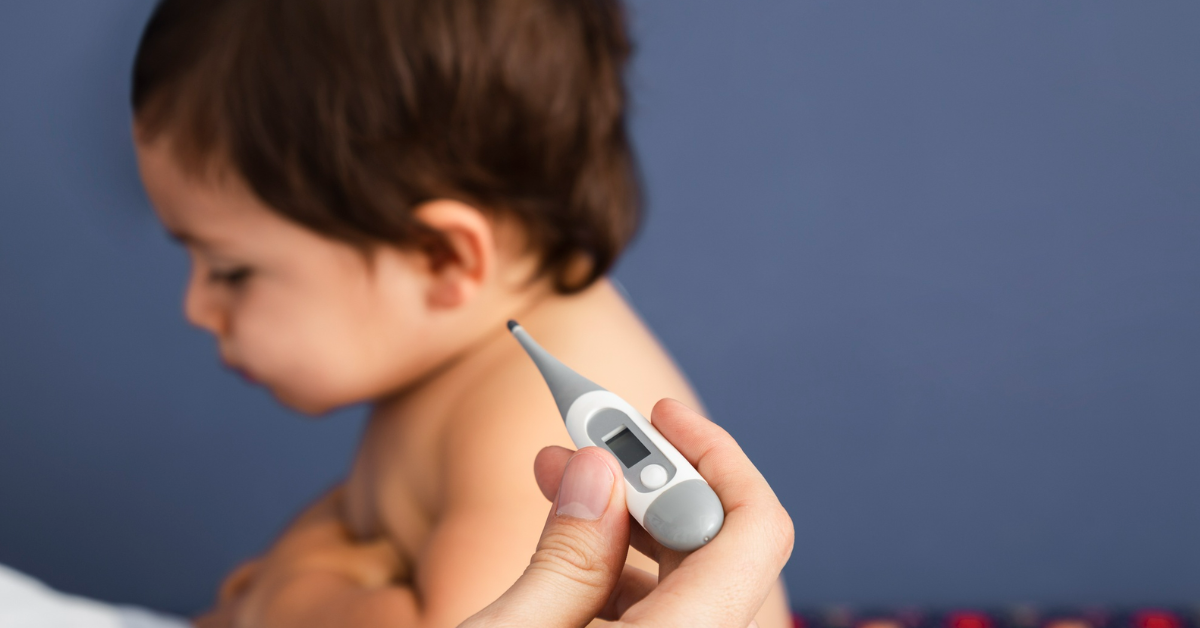
Fever in babies is one of the most common concerns parents face during the first year of life. It is usually a natural response of the body fighting infection, but it can still cause anxiety—especially in newborns and young infants.
Dr. David Amaneddine, Lebanese Pediatrician and NICU Consultant, explains how parents can understand fever patterns in infants, recognize warning signs, and decide when medical care is needed.
What Is Considered a Fever in Babies?
A fever is defined as a body temperature of 38°C (100.4°F) or higher.
Common measurement methods include:
• Rectal thermometer (most accurate for infants)
• Forehead thermometer
• Ear thermometer (more reliable after 6 months)
A raised temperature is not a disease itself, but a sign that the body is responding to infection or inflammation.
Babies Aged 0–3 Months (Newborn Period)
This is the most sensitive age group for fever.
Even a mild temperature increase may require urgent assessment because newborn immune systems are still developing.
Contact a doctor immediately if:
• Temperature is 38°C or higher
• Poor feeding or refusal to feed
• Excessive sleepiness
• Persistent crying or irritability
• Reduced wet diapers
Go to emergency immediately if:
• Breathing difficulty
• Seizures
• Very weak or floppy body
• Blue lips or skin
• Difficulty waking the baby
At this age, observation at home is not recommended if fever is present.
Babies Aged 3–6 Months
At this stage, most fever episodes are caused by common viral infections.
Infants may still appear relatively well despite having a temperature.
Home monitoring may be appropriate if:
• Baby is alert and responsive
• Feeding normally
• Normal urine output
• Fever improves with doctor-approved medication
Seek medical advice if:
• Temperature reaches 39°C or higher
• Fever persists more than 24 hours
• Feeding decreases noticeably
• Baby becomes unusually irritable
Babies Aged 6–12 Months
At this age, the immune system is stronger, and fever is often linked to common childhood infections.
Typical causes include viral illness, ear infections, or respiratory infections.
Home care is usually acceptable if:
• Baby is active and interactive
• Feeding and drinking normally
• Wet diapers are regular
• Fever improves within a few days
Contact a pediatrician if:
• Fever lasts more than 48–72 hours
• Temperature is above 39°C
• Signs of dehydration appear
• Rash develops
• Baby refuses fluids
Dr. David Amaneddine Dubai advises parents to observe behavior rather than focusing only on temperature readings.
Warning Signs That Require Immediate Care
Seek urgent medical attention if your baby shows:
• Difficulty breathing
• Seizures
• Extreme sleepiness or unresponsiveness
• Persistent vomiting
• Severe dehydration
• Blue discoloration of lips or skin
• Stiff neck
• Fever with widespread rash
How to Care for a Baby With Fever at Home
Keep the baby hydrated
• Continue breastfeeding or formula feeding
• Offer feeds more frequently
Keep clothing light
Avoid overdressing or heavy blankets.
Monitor overall behavior
Pay attention to:
• Feeding patterns
• Urine output
• Alertness
• Comfort level
Medication use
Only use fever medication if prescribed or recommended by a pediatrician.
Common Misunderstandings About Fever
Fever is always dangerous
Not true. Fever is usually a normal immune response.
Teething causes high fever
Teething does not cause high fever in infants.
Antibiotics are always required
Most infant fevers are viral and do not require antibiotics.
When to Consult Dr. David Amaneddine Dubai
Parents should seek medical advice if they are unsure about their child’s condition.
Dr. David Amaneddine Dubai provides:
• Infant fever evaluation
• Newborn assessments
• Pediatric consultations in Dubai
• Parental reassurance and guidance
• Early referral when needed
Frequently Asked Questions
What temperature is considered fever in babies?
38°C (100.4°F) or higher.
When should I worry about fever in babies?
When the baby is under 3 months old or shows warning signs such as poor feeding, lethargy, or breathing difficulty.
Can fever happen without infection?
Yes, but infection is the most common cause in infants.
When should I go to emergency?
For newborns with fever or any baby with severe symptoms such as seizures or breathing difficulty.
Final Thoughts
Fever in infants is common and often not dangerous, but age plays a critical role in deciding what to do. Newborns require immediate medical attention, while older babies can often be monitored safely at home.
When parents are unsure, consulting a pediatrician is always the safest choice.
Medical Disclaimer
This article is for educational purposes only and does not replace professional medical advice.
External References
• American Academy of Pediatrics (AAP)
• Centers for Disease Control and Prevention (CDC)
• World Health Organization (WHO)
• National Health Service (NHS)