
Child coughing at night? Learn the 7 common causes, warning signs, and when to see a pediatrician in Dubai.
Why Is My Child Coughing at Night? (7 Common Causes Explained) | Pediatrician Dubai
- Published on:May 26, 2026
- By:Dr. David Amaneddine
Post Views: 5,398
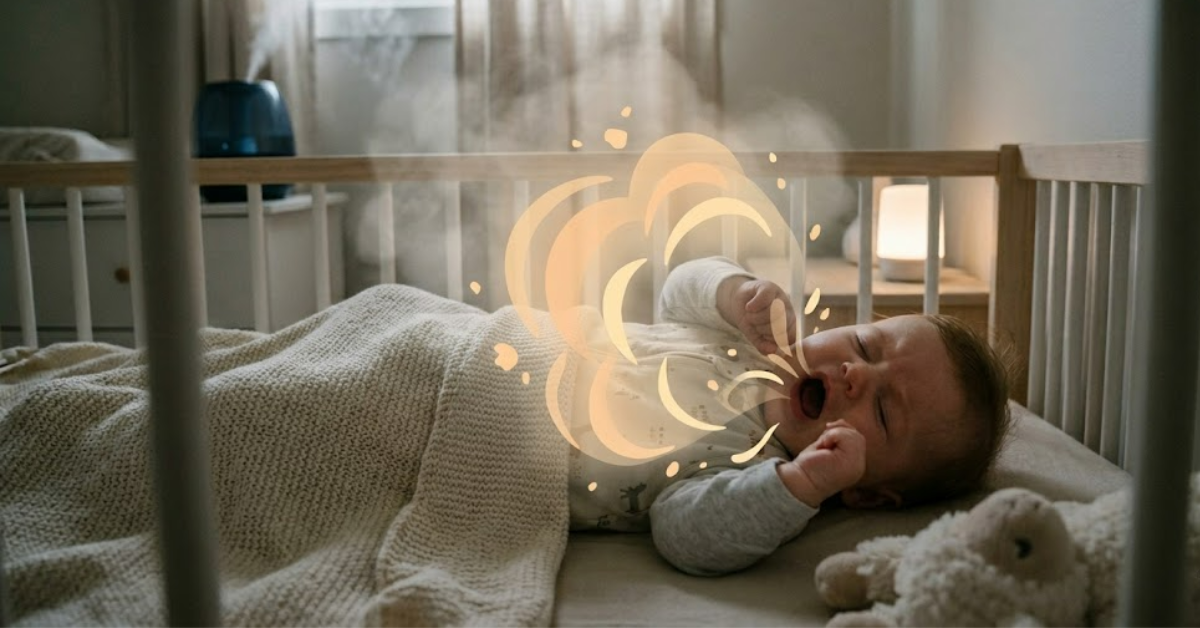
Quick Answer – Why Is My Child Coughing at Night?
A child coughing at night is a common concern among parents and usually happens when mucus collects in the throat during sleep, airways become more sensitive after infections, or conditions such as asthma, allergies, or acid reflux are triggered at night.
In most cases, a child coughing at night is caused by postnasal drip or post-viral irritation and is not dangerous.
Dr. David Amaneddine explains that this is a frequent pediatric symptom and usually improves with time, but persistent cases should always be evaluated.
Why Does Child Coughing at Night Happen?
A child coughing at night often becomes worse during sleep because lying flat allows mucus to accumulate and increases airway sensitivity.
Other common triggers include:
- Dry air conditioning in Dubai
- Dust and indoor allergens
- Recent viral infections
- Postnasal drip from colds or allergies
What Are the Main Causes of Night Cough in Children?
The most common causes include:
- Postnasal drip
- Post-viral airway irritation
- Asthma or reactive airway disease
- Allergies
- Acid reflux (GERD)
- Viral infections
- Environmental irritants (dust, AC, smoke)
Common Causes Explained
Viral Infections
A child coughing at night may continue coughing for 1–3 weeks even after fever resolves.
Postnasal Drip
Mucus drains into the throat when lying down, causing irritation and nighttime coughing.
Post-Viral Airway Sensitivity
After infection, the airways remain sensitive, leading to a dry nighttime cough that can last weeks.
Allergies
Dust, sand, and air conditioning in Dubai often trigger ongoing irritation and nighttime symptoms.
Acid Reflux (GERD)
Stomach acid can flow back into the esophagus when lying flat, irritating the throat and triggering coughing at night, especially after meals.
Asthma or Reactive Airways
Asthma is a major cause of child coughing at night, often associated with:
- Wheezing
- Recurrent episodes
- Exercise-triggered symptoms
Why Does Child Coughing at Night Get Worse During Sleep?
A child coughing at night becomes more noticeable during sleep because mucus builds up and airway sensitivity increases when lying flat. This is why symptoms are often worse at night than during the day.
How to Differentiate Causes
| Condition | Type of Cough | Night Pattern | Other Symptoms |
|---|---|---|---|
| Postnasal Drip | Wet cough | Worse lying down | Runny nose |
| Asthma | Dry recurrent cough | Wakes child at night | Wheezing |
| GERD (Reflux) | Dry irritation | After meals/lying flat | Vomiting |
When Should Parents Worry?
Parents should seek medical advice if:
- A child coughing at night lasts more than 2–3 weeks
- Sleep is frequently disturbed
- Breathing becomes noisy or difficult
- Symptoms are worsening instead of improving
Warning Signs
Seek urgent care if the child has:
- Difficulty breathing
- Chest retractions
- Blue lips or face
- Severe coughing fits
- High fever with breathing difficulty
How Pediatricians Evaluate the Condition
A pediatrician in Dubai will assess:
- Medical history
- Chest examination
- Allergy history
- Environmental exposure
Possible Investigations
- Allergy testing
- Chest X-ray (if needed)
- Asthma evaluation
What Parents Can Do at Home
- Keep the child well hydrated
- Reduce dust in the bedroom
- Clean AC filters regularly
- Use saline nasal drops before sleep
- Avoid smoke and strong perfumes
- Slight head elevation during sleep
These steps can significantly reduce child coughing at night episodes.
When to See a Pediatrician in Dubai
Consult Dr. David Amaneddine if:
- Child coughing at night persists
- Symptoms are recurrent
- Sleep is affected
- Asthma or allergies are suspected
Early evaluation helps identify the exact cause and prevent complications.
Frequently Asked Questions
Why does my child cough at night?
Most commonly due to postnasal drip, viral infection, or airway sensitivity.
Is a child coughing at night serious?
Usually not, but persistent symptoms should be evaluated.
Can allergies cause night cough?
Yes, especially in dusty environments like Dubai.
How long does post-viral cough last?
Usually 1–3 weeks.
When should I see a doctor?
If a child coughing at night lasts more than 2–3 weeks or affects sleep.
Final Thoughts
A child coughing at night is usually caused by mild and temporary conditions such as postnasal drip, viral recovery, asthma, or reflux. Most cases improve naturally, but persistent symptoms should always be evaluated by a pediatrician.
Medical Disclaimer
This article is for educational purposes only and does not replace professional medical advice. Always consult your pediatrician.
References
- American Academy of Pediatrics (AAP) – Child Health and Respiratory Conditions
- Centers for Disease Control and Prevention (CDC) – Child Development & Respiratory Infections
- World Health Organization (WHO) – Child Health Guidance
- National Health Service (NHS) – Cough in Children
- NIDDK – GERD in Children